Step 1: Confirm You Have a Bed Bug Infestation
Before you start the treatment process, it’s important to confirm that bed bugs are indeed the source of your discomfort. Bed bugs are small, reddish-brown insects about the size of an apple seed, and they often hide in cracks, crevices, and fabric.
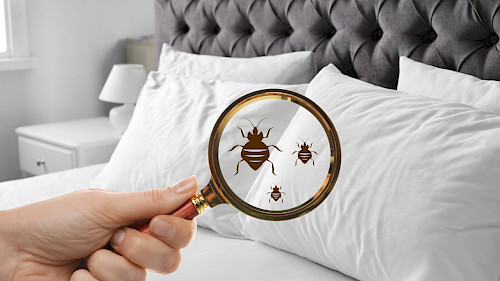
Signs of bed bugs include:
- Red, itchy bites: Bed bug bites often appear in clusters or straight lines on exposed skin, such as your arms, legs, neck, and face.
- Rusty or black stains on bedding: Look for small, dark stains on your sheets, pillowcases, and mattress. These are bed bug feces or bloodstains from crushed bugs.
- Shed skins and eggs: As bed bugs grow, they shed their skins, leaving behind translucent, yellowish shells. You may also find tiny, white, oval-shaped eggs.
- Musty odor: Large infestations can produce a musty, sweet smell, caused by the bugs’ scent glands.
Once you’ve identified that bed bugs are present, it’s time to take action.
Step 2: Deep Clean Your Home
The first step to getting rid of bed bugs is cleaning your home thoroughly. Bed bugs can hide in a variety of places, so this step is crucial in reducing their numbers and preventing them from spreading.
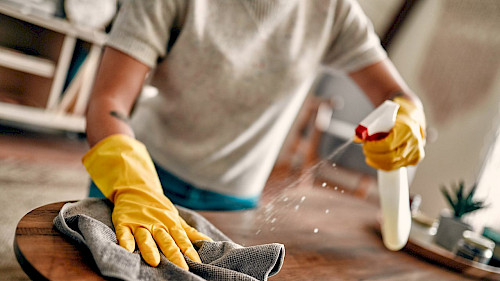
How to deep clean your home:
- Strip your bed: Remove all sheets, pillowcases, blankets, and any other fabric from your bed. Place them immediately into sealed plastic bags to prevent spreading the bugs to other areas.
- Wash on high heat: Wash all bedding, clothes, and soft fabrics in hot water (at least 120°F/49°C) and dry them on high heat for at least 30 minutes. Heat is highly effective in killing bed bugs and their eggs.
- Vacuum thoroughly: Vacuum your mattress, bed frame, box spring, carpets, and surrounding furniture, paying special attention to seams, cracks, and crevices where bed bugs hide. Dispose of the vacuum bag or contents in a sealed plastic bag outside your home to prevent reinfestation.
- Steam clean: Bed bugs and their eggs cannot survive high temperatures, so using a steam cleaner on your mattress, furniture, and carpets can kill them. Make sure the steam temperature reaches at least 160°F for effective treatment.
By cleaning your home meticulously, you can significantly reduce the bed bug population and remove many of their hiding places.
Step 3: Treat Your Mattress and Furniture
After cleaning, the next step is to treat your mattress, bed frame, and any infested furniture to kill the remaining bed bugs and prevent reinfestation.
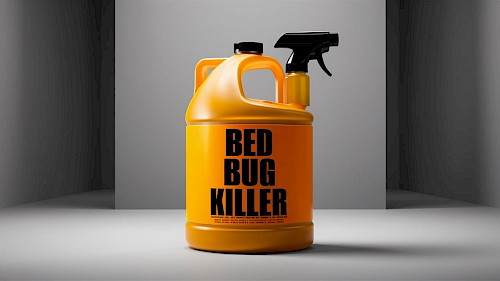
Effective treatment methods include:
- Use bed bug-proof mattress encasements: These encasements trap any remaining bed bugs inside your mattress and prevent new ones from getting in. Look for encasements labeled as bed bug-proof and encase both your mattress and box spring.
- Apply bed bug sprays or powders: There are several bed bug-specific sprays and powders available, including chemical and non-chemical options. Look for insecticides containing ingredients like pyrethroids, which kill bed bugs on contact, or natural powders like diatomaceous earth, which dehydrates and kills bed bugs.
- Focus on furniture joints and seams: Bed bugs often hide in the cracks and joints of furniture. Apply treatments to these areas, especially in nightstands, dressers, and any furniture near your bed.
- Use bed bug interceptors: Place bed bug interceptors under the legs of your bed to trap bed bugs as they try to climb up or down. These devices help prevent bed bugs from reaching your bed and also serve as a way to monitor for any remaining bugs.
If you have tried all these things and nothing is working, consider joining my Bed Bug Banisher Club where I'll personally walk you through getting rid of bed bugs. Check the links below. Also, let me know in the comments below what you've tried to get rid of bed bugs.
Step 4: Use Heat to Kill Bed Bugs and Their Eggs
One of the most effective ways to eliminate bed bugs is through heat treatment. Bed bugs cannot survive in high temperatures, so raising the temperature in the affected area can kill both bed bugs and their eggs.
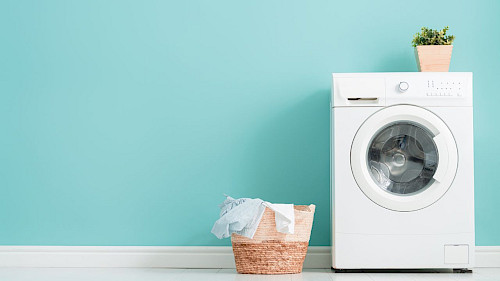
Heat treatment options:
- Wash and Dry Clothes on High Heat: Bed bugs can also get into your clothes. So when you do your laundry, make sure you wash and dry your clothes on high heat. The drying part is what matters the most. Make sure you dry your clothes on the highest setting for at least 30 minutes so you kill any bed bugs and their eggs.
- Heat treatments: You can use a portable steamer or hire a heat chamber if you’re treating a small space. However, this method may not be sufficient for large infestations or multiple rooms. These types of heat treatments can be expensive, there's a lot of prep work that needs to be done, and there's a potential that it could damage your home. So, get well educated about using heat treatments before you go that route.
The best way to get rid of bed bugs is to become well-educated about them.