Tip 1: Inspect the Bed Immediately Upon Arrival
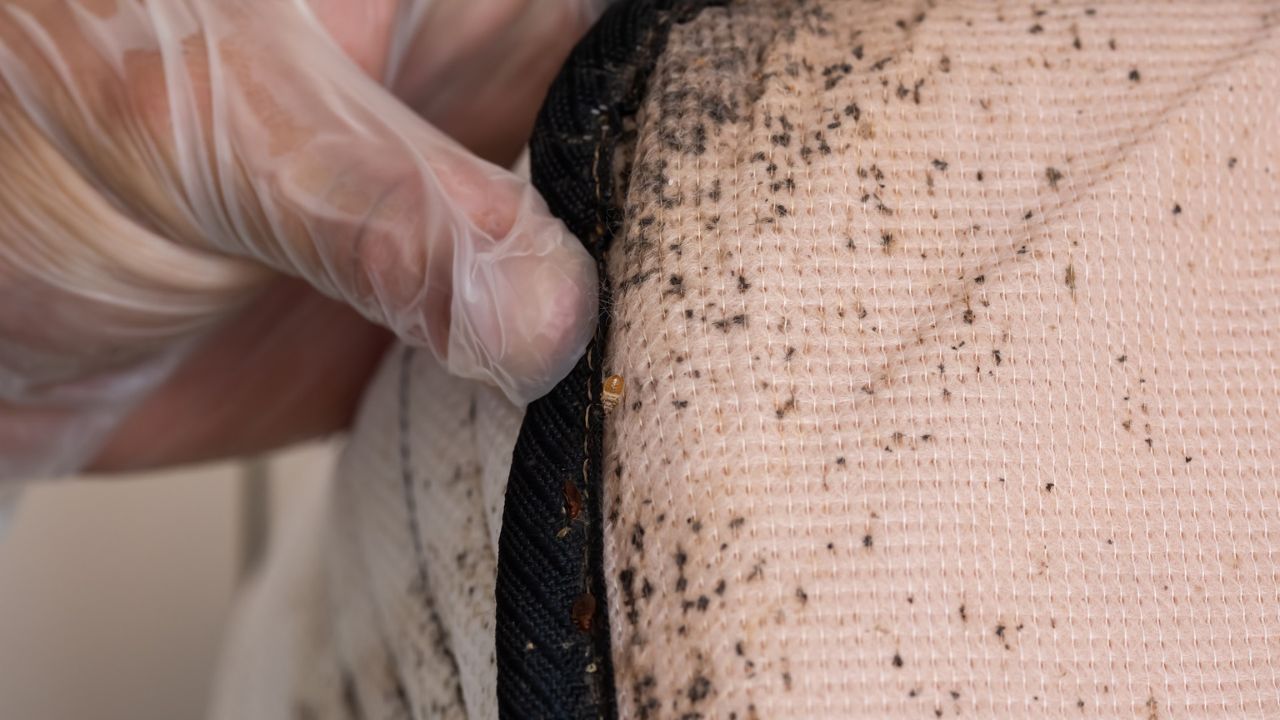
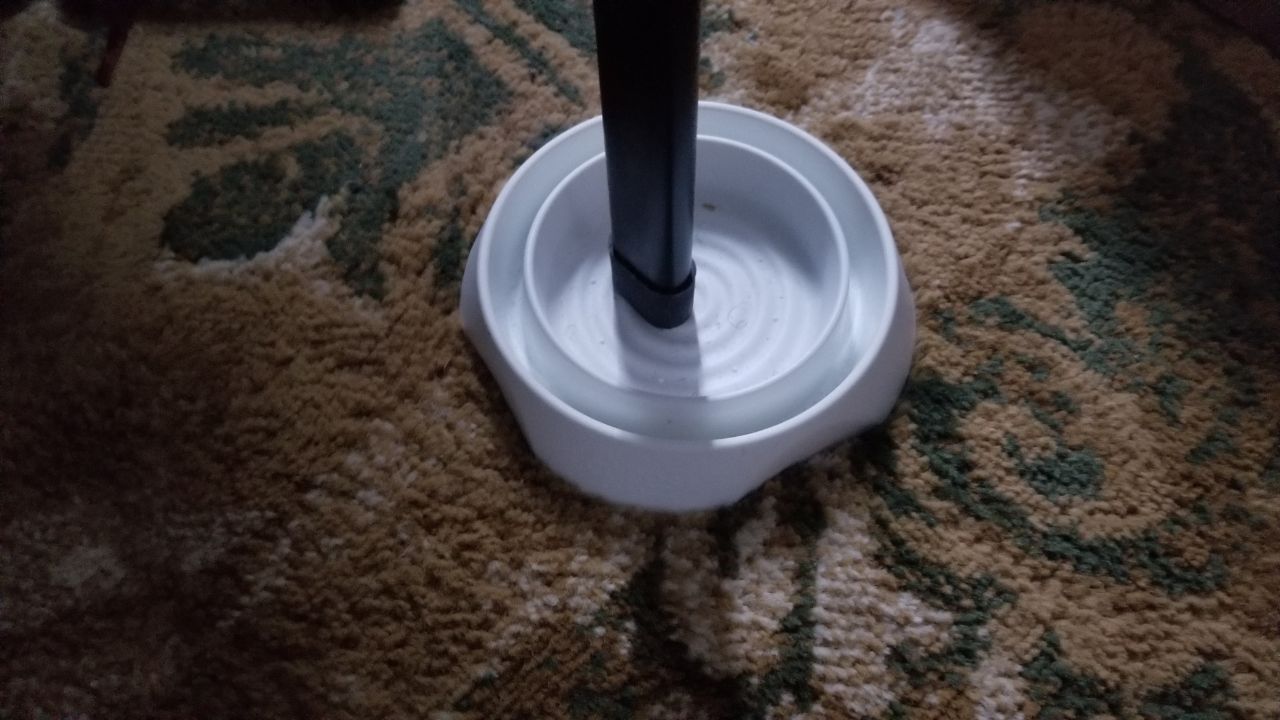
Since bed bugs primarily hide in and around beds, this is the first area you should inspect as soon as you enter your hotel room. Bed bugs are usually found hiding in mattress seams, box springs, and headboards.
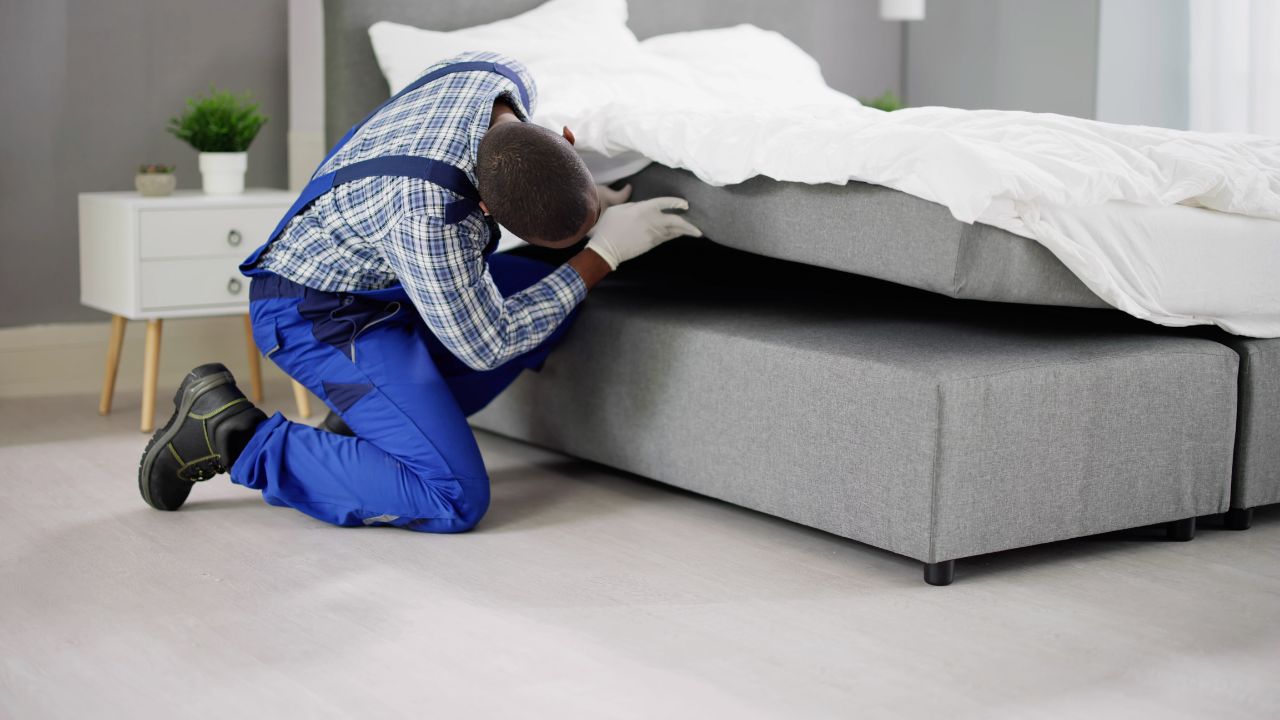
Here are the steps to check the bed:
- Pull back the bedding: Remove the sheets, blankets, and pillowcases to expose the mattress.
- Check mattress seams: Using a flashlight or your phone's light, inspect the seams, edges, and tags of the mattress for any signs of bed bugs. Look for small reddish-brown or black spots (bed bug fecal matter), shed skins, eggs, or live bugs.
- Inspect the box spring: Bed bugs often hide in the cracks and joints of box springs. If possible, lift the mattress and check the box spring, paying attention to seams and corners.
- Examine the headboard: Bed bugs can also hide behind or on the headboard, especially if it’s attached to the wall. Shine your flashlight around the cracks, joints, and mounting points of the headboard to check for bed bugs or their droppings.
If you spot any signs of bed bugs on the mattress, box spring, or headboard, it’s best to immediately request a new room, or get your money back and find another hotel.
Tip 2: Check the Furniture for Signs of Bed Bugs
Bed bugs don’t just hide in beds; they can also hide in furniture near the bed. Sofas, chairs, nightstands, and dressers are prime hiding spots for bed bugs.
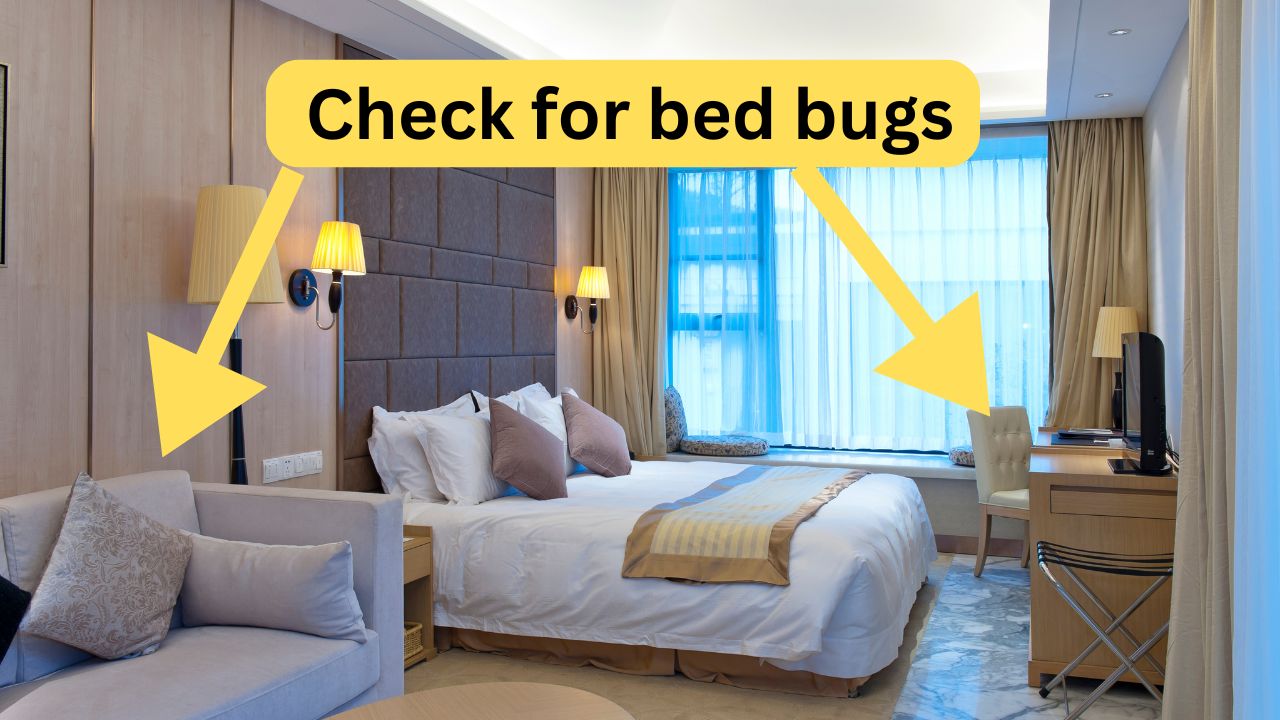
Here's how to inspect hotel room furniture:
- Check the seams and cushions: If there’s upholstered furniture in the room, inspect the seams, cushions, and crevices for bed bugs, eggs, or droppings. Pay special attention to the folds and stitching. Bed bugs love to hide there.
- Inspect drawers and nightstands: Bed bugs can hide in the corners and joints of wooden furniture. Open drawers and inspect the corners, undersides, and joints. Use a flashlight to check for small dark spots or live bugs.
- Look around baseboards and carpet edges: Bed bugs often hide along the edges of walls, baseboards, and carpets. Check these areas for any signs of activity, such as black spots or tiny, translucent eggs.
A thorough inspection of all nearby furniture ensures that bed bugs haven’t spread beyond the bed and into the rest of the room. If you spot any signs of bed bugs in your hotel room, you need to get a refund and find another hotel.
Tip 3: Store Your Luggage Away from the Bed and Furniture
Bed bugs are notorious hitchhikers and can easily crawl into your luggage, shoes, and clothes if you leave them on the bed or floor. To minimize the risk of picking up bed bugs, take care when storing your belongings.
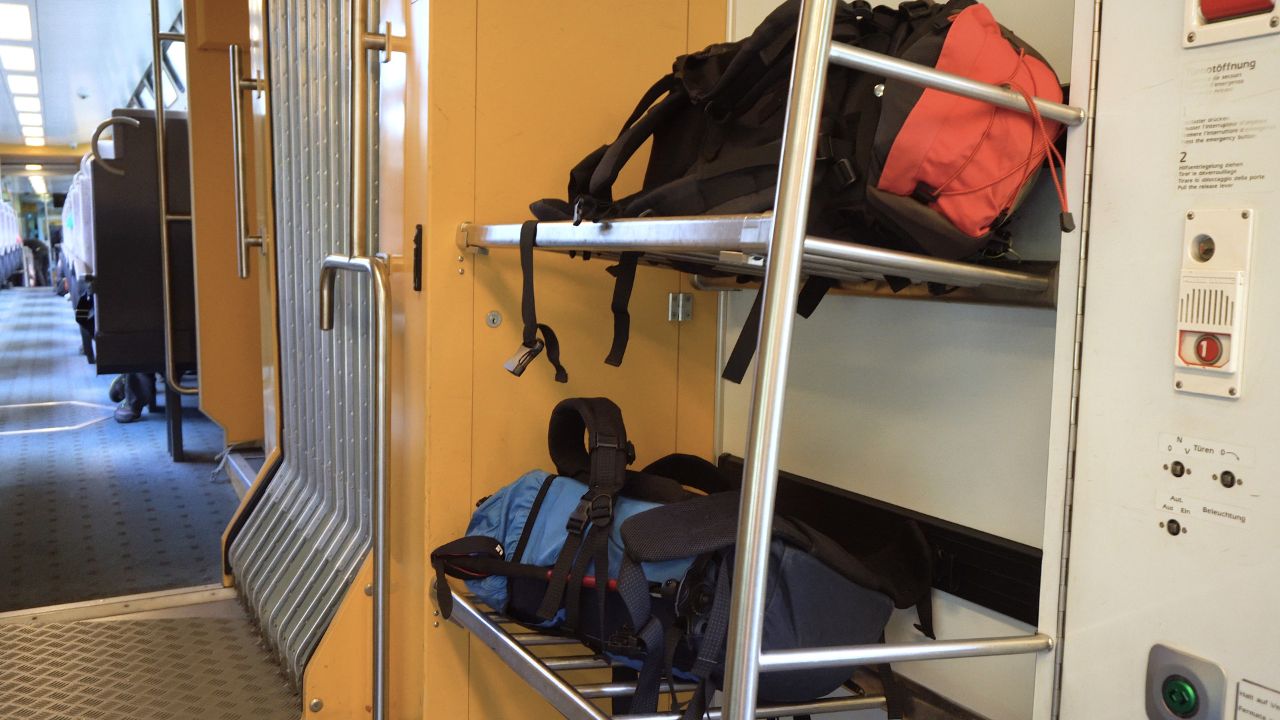
Here are some best practices for luggage storage:
- Use the luggage rack: Place your suitcase on the luggage rack, which is typically made of metal or plastic and less likely to harbor bed bugs. Be sure to inspect the rack for any signs of bed bugs before placing your bags on it.
- Store luggage in the bathroom: The bathroom is usually a safer place to store your luggage because bed bugs are less likely to be found on cold, tiled floors. Placing your suitcase on a hard surface like the bathroom floor or counter can reduce the chance of bugs getting inside.
- Keep luggage off the floor and bed: Avoid placing your bags on the bed or the floor near the bed where bed bugs are more likely to be present. Using a luggage rack or bathroom as a storage area helps protect your belongings.
If this video is helping you, comment below and tell me what the most frustating thing about bed bugs is for you, and if I could do one thing to help you completely get rid of bed bugs, what would it be? Please let me know in the comments below.